
4 min readNew DelhiFeb 7, 2026 06:00 AM IST
Athletes are known to be on strict diets, but Yuzvendra Chahal’s go-to breakfast crushes all those stereotypes and how! In conversation with Mashable India, the Indian cricketer shared that he likes to start his day with two parathas with butter, aloo matar (dry potato sabzi), paired with Bournvita milk or tea. “And when I stay in ITC Gardenia, I have two aloo parathas with a chocolate milkshake. My teammates also give me a look that goes, ‘Where does it go that he eats so much?’ to which he jokingly added, ‘I’m blessed.’”
But is it healthy?

According to Edwina Raj, Head of Services – Clinical Nutrition & Dietetics, Aster CMI Hospital, Bangalore, eating aloo paratha for breakfast gives the body quick energy because it is high in carbohydrates, but it may raise blood sugar and make you feel full for a few hours. However, she warned against making it a daily habit.
Decoding Yuzvendra Chahal’s breakfast
“In the long term, daily consumption may increase the risk of obesity, type 2 diabetes, and heart problems due to high carbs and fats. It can also reduce nutrient diversity in your diet,” she told indianexpress.com, adding that the calorie load also matters, especially because it’s often made with oil, butter, or ghee. It can lead to weight gain if consumed in excess because it is high in calories and is often cooked in oil or butter.
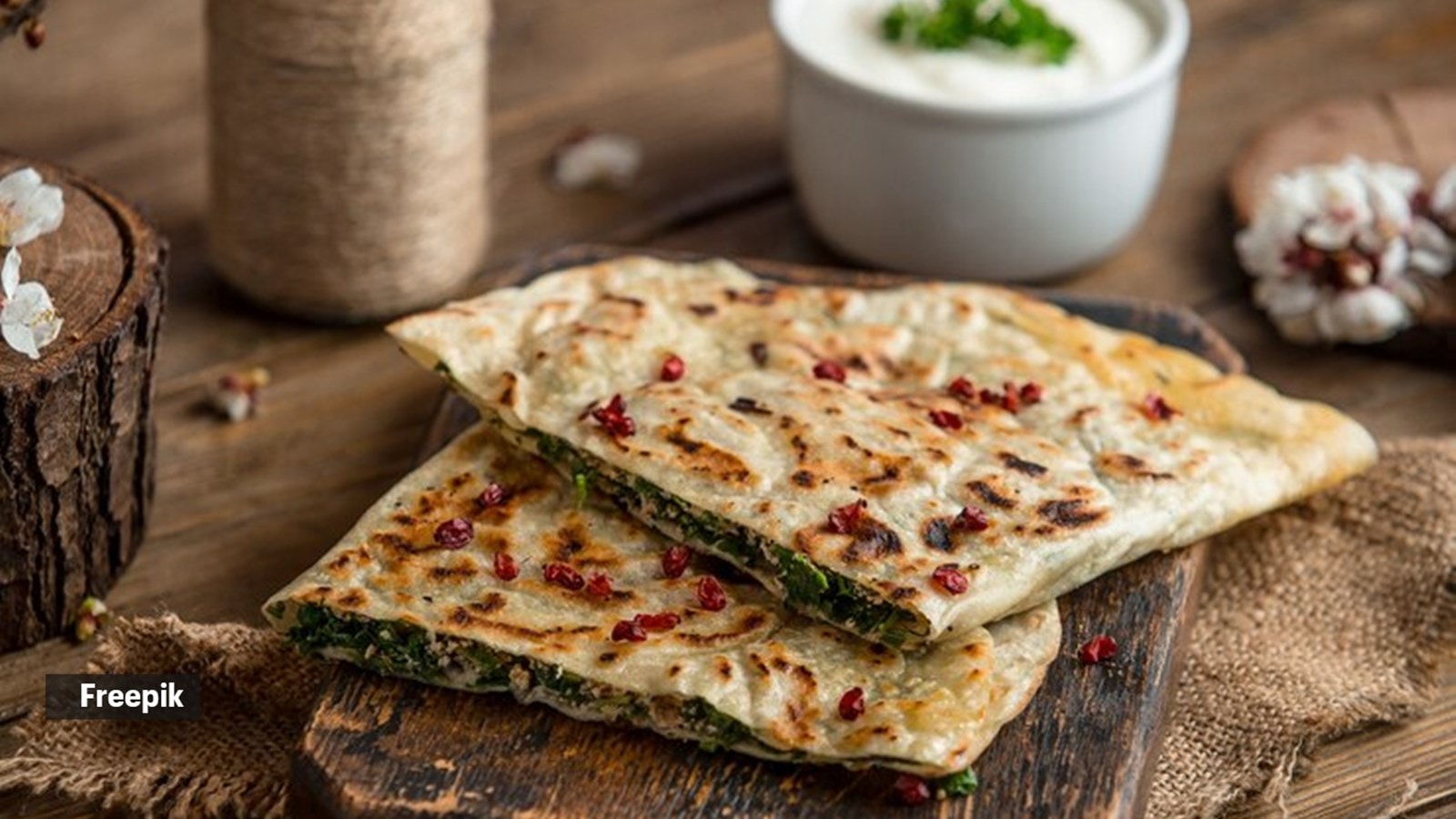 Should you eat parathas every morning? (Source: Freepik)
For anyone with limited physical activity, daily parathas may add more problems. For someone with a sedentary lifestyle, the body may not use this energy efficiently, which can slow metabolism over time, Raj said, adding that this can lead to the body storing what it cannot use, since extra calories are stored as fat.
“You may feel energetic at first, but not for long — eating aloo parathas in the morning is often followed by a crash, leaving you feeling tired or hungry sooner. Over weeks and months, the nutritionist warns, this pattern “can increase the risk of insulin resistance, type 2 diabetes, and heart problems,” she elaborated.
Pair it well
According to Raj, the side dishes matter as much as the paratha itself. Eating it with curd or vegetables slows digestion and reduces the blood sugar spike because they add protein and fibre. But certain combinations make things worse. “Sugary or oily sides can increase calories and blood sugar. Adding butter or ghee makes it richer but also adds more fat and calories,” she said. Chahal’s choice of sides, like aloo ki sabzi or chocolate milkshakes, doesn’t help his case and increases the caloric count while spiking insulin levels.
Her recommendation was to pair aloo paratha with protein, fibre, or low-fat sides to make your meal healthier, keep energy steady, support smooth digestion, and keep blood sugar under control.
Story continues below this ad
While aloo paratha can absolutely be part of a wholesome breakfast, it can only be balanced properly with recommended sides, controlled portions, minimal oil or ghee, and healthier flours.
DISCLAIMER: This article is based on information from the public domain and/or the experts we spoke to. Always consult your health practitioner before starting any routine.
29 Foods to Never Eat Past Expiration Date, Per Dietitians
Low-Carb Diets Can Be Heart Healthy If You Eat Lots Of Nutritious Plant-Based Foods
Ads sway Indian teens’ food choices, high prices limit healthy options, survey finds – The South First