
The end-of-year festive season is here, marked by celebrations like Christmas and New Year’s Eve. Families and friends come together to bid farewell to 2025, and food often becomes the heart of these celebrations. So it is no wonder that tables at these parties are laden with a wide array of dishes, making it hard to resist.
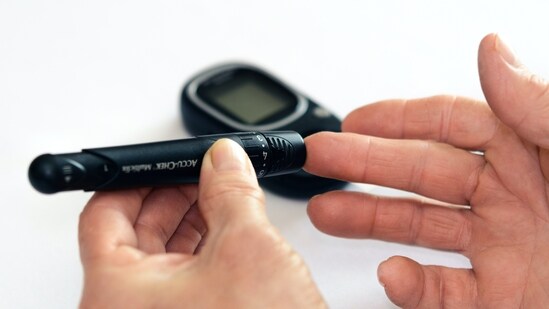
Moreover, with a calendar packed fully with invitations to gatherings, dinners and office parties, a lot of heavy festive binge eating happens at the end-of-year.
But there are some vulnerable groups which need to be careful. One of them is people with prediabetes. HT Lifestyle reached out to Dr Kaushik Saha, Professor and HOD, KPC Medical College, Director, ADEA Diabetes Centre, Kolkata and Consultant at Suraksha Clinic and Diagnostics. According to him, people with prediabetes usually see a spike in blood sugar around this time, making it even more essential to watch what they eat.
He explained that prediabetes is basically a warning stage before actual diabetes. “Prediabetes is a stage where blood sugar levels are higher than normal, but not as high as being diabetic, with fasting glucose levels at 100-125 mg/dl,” he said.
However it can be managed and can be prevented from progressing into diabetes. Dr Saha noted, “Prediabetes is caused by resistance to insulin or inadequate insulin, but can be managed with exercise, diet, weight management and a healthy lifestyle.”
But does that mean you skip out on the gastronomic fun at the parties? Miss out on the culinary extravaganza? No, you just need to strike a balance.
Dr Saha listed out the dos and don’ts:
Dos
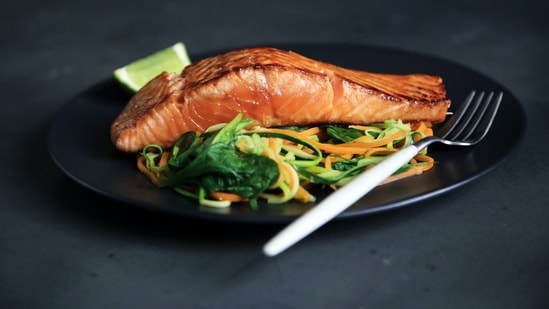
The dos listed out by the doctor include key essentials for managing blood sugar during the festive season, such as smart diet planning, choosing better options from the party menu like lean proteins, and swapping fried foods for grilled or baked alternatives to reduce unnecessary calorie spikes.
Here are all the Dos Dr Saha outlined:
1. Prioritise mindful eating and portion control
- Eat regular meals before festive events to avoid arriving hungry. Have a small pre-event snack with protein and fibre (e.g., curd with nuts, chana, egg).
- Follow the ‘half–quarter–quarter’ plate: half vegetables, one quarter protein, one quarter carbs.
- Before attending a gathering, plan meals for the day to balance overall carbohydrate and calorie intake. Keep portion sizes in control, especially for foods that are carbohydrate-rich and desserts. Use a mix of lean protein, non-starchy vegetables and complex carbohydrates such as brown rice, etc.
- Try to take just one or two bites of a high-sugar item instead of a full serving to satisfy your craving for sugary foods or desserts. Opt for nut-based, seed-based, or sugar substitute sweets when available.
2. Go for Low GI Foods
- Choose complex carbohydrates with a low glycemic index, such as legumes, whole grains, and non-starchy vegetables.
3. Opt for healthy fats and lean proteins
- Choose whole grains or millets over white rice and maida items. Start meals with salad, sabzi, and protein before carbs or sweets.
- Include lean proteins such as fish, chicken, lentils and healthy fats such as olive oil, avocado, nuts, and seeds in your diet to slow down absorption of carbohydrates, helping you to feel fuller for a longer period of time.
4. Opt for grilled or baked foods.
- Instead of choosing deep-fried snacks and foods, opt for foods that are baked, grilled or roasted, deviating from refined flours, such as grilled chicken, grilled fish, chicken steak, wheat pasta and others.
5. Stay hydrated
- Drink enough water or unsweetened beverages such as herbal teas.
- Drink water, soda, buttermilk, or unsweetened tea/coffee.
6. Go for a smaller portion of sweets
- Pick one or two favourite sweets in small portions only.
- Instead of avoiding sweets intake completely, opt for a smaller portion and pair it with a fibre or protein-rich food.
7. Walk after eating
- Walk lightly for 10–20 minutes after eating. R
- Regular physical activity helps to improve insulin sensitivity and manage blood sugar levels.
- A brisk or light walk for 15-30 minutes post a meal can be effective in reducing glucose levels after a meal.
8. Prioritise Sleep
- Get a good amount of sleep and aim for at least 7-8 hours of sleep daily, since poor quality sleep can cause disruption in metabolic processes, increasing blood sugar and blood pressure levels.
Don’ts

Now that you are aware of the dos, let’s take a look at the red flags that can worsen blood sugar levels, whether it is overeating, loading up on sweets first or skipping meals before parties. Here are some of the don’ts which the doctor listed:
1. Reduce intake of alcohol
- Don’t mix alcohol with sweet drinks or consume on an empty stomach.
- Pair alcohol with protein-rich food and limit quantity.
- Limit alcohol consumption, as this can disrupt blood sugar control, increasing cravings.
2. Limit intake of processed and other foods
- Avoid white bread, pastries, biscuits, noodles, sugary foods, excess salt and trans fat, spicy and oily foods, sausages, salami, bacon, nuggets, mayonnaise, salad dressings, foods loaded with artificial sweeteners, instant noodles, frozen curries, muffins, doughnuts, etc.
3. Avoid sugary beverages
- Don’t drink sugary beverages, sherbets, or sweet juices as they lead to a rapid surge in blood glucose levels.
4. Portion control
- Don’t skip meals to ‘save calories’ for the feast.
- Don’t overfill plates with starchy carbs or fried snacks.
- Don’t eat carbs and sweets first in the meal.
Note to readers: This article is for informational purposes only and not a substitute for professional medical advice. Always seek the advice of your doctor with any questions about a medical condition.
Source link
How many extra years can healthy eating really add? Researchers just crunched the numbers
Is litti-chokha healthy? A dietitian breaks down its nutrition
11 Ways To Keep a Healthy Diet on a Frugal Budget