
While American culture, sometimes described as “hustle culture,” has perhaps a less-healthy take on productivity over wellbeing, different world cultures reflect varied ideas about leisure and its benefits. The Spanish siesta, Chinese wujiao and Swedish fika are all leisure practices built into the workday. And some societies build generous leave policies into their workplace norms, while others structure four-day workweeks.
Instead of judging oneself by a culture’s predominant values around leisure time, Bachleda asks whether Americans think leisure gets in the way of living a good life, however that may be defined. “We live in the world where there are things we have to do—there are realities,” she says. “We have to make sure we’re safe and cared for to the best of our abilities, and that our bodies and minds are feeling good. Part of that is making time for leisure, which is restorative.”
But there are times when free time isn’t healthy. For residents in a skilled nursing facility with low mobility or dementia, unprogrammed time might lead to boredom, anxiety or feelings of aimlessness—similar to how many people experienced unstructured time during COVID-19.

Daniel Winterbottom
Professor Daniel Winterbottom, a landscape architect, questions whether unstructured time should be defined in the same way as leisure time. Winterbottom designs healing gardens and children’s playgrounds around the idea of “soft fascination.” He creates spaces of rest and discovery that allow the mind to recover and resume its ability to refocus intensively. A person’s cognitive ability declines after six hours. But soft fascination allows the brain to rest and wander. Resetting attention in a garden full of bees and flowers restores a person’s ability for “hard fascination” and extreme focus.
Winterbottom also leads design-build study-abroad trips for students. He has seen his younger co-travelers default to watching movies or scrolling on the internet during downtime in a foreign country. “They aren’t doing something that someone else wants them to do, and they interpret that as part of freedom,” Winterbottom says. “But in my day, leisure felt like it was about exploring things beyond the classroom and building on one’s curiosity with the physical world. I’m struck that they have a totally different idea [of leisure] that often is devoid of ‘real’ nature and direct human interaction.”
Dufu, who wrote “Drop the Ball” in 2017, says that the American idea of leisure can suggest idleness, which sits alongside laziness. It’s important to distinguish how an individual thinks about free time, or time that is not already devoted, scheduled or committed to doing other things, she says. “Leisure looks very different to different people, because every human being has different motivations. Self-awareness is key to aligning a person’s free time with satisfaction. If you understand yourself, you understand what motivates you and can be strategic about the free time that you have.”
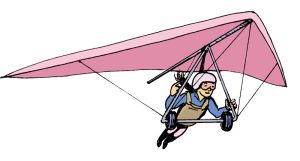 While it might feel counterintuitive to plan leisure, the more demands a person has upon their time, the more important it becomes to carve out that space. For those looking to reorient their relationship to leisure toward fulfillment, Dufu suggests a few exercises: Go back to a moment when you were a child and didn’t yet have school or chores. How did you spend your time? Dufu spent a lot of her unstructured time as a child imagining and exploring. This is expressed in how she uses her leisure time today, seeking out activities that feed her curiosity. But another child might have loved moving their body by playing sports in the streets. Try turning back to a time before responsibility to recover what you loved doing, Dufu says.
She also suggests engaging others as you reclaim your relationship with leisure. Ask eight to 12 people to identify a time when they’ve seen you at ease and at your best. What were you doing and what did that look like? Invite them to reflect their positive perceptions of you. Then listen and see if you recognize any patterns.
 On a more practical level, researchers like social psychologist Cassie Holmes suggest carving out two hours for leisure a day, the minimum amount that time-poor individuals need to feel less stressed. Leisure doesn’t need to occur all at once. It can be made up of short walks, coffee breaks, reading a book chapter or just discretionary time doing what you want. It all adds up. Like practicing an instrument for 10 minutes here or carving out time on the meditation cushion there, you slowly build the muscle that allows sinking into the space of leisure that matters most.
No matter where your reflections point you, experts emphasize embracing your own personal ideas of leisure and refraining from judgment. Leisure time is never time wasted. “I see lots of headlines and pressure to do leisure well,” Dufu says. “There’s a lot of defining of what leisure and free time can be. But you can make it whatever you want. If your idea of leisure time is climbing Mount Everest, then just accept that. If you’d rather watch ‘Real Housewives’ while eating potato chips, go for it! Some people want to take their brain somewhere else. They need that. My husband loves watching sports. But if I have an hour, I’m not going to watch Formula One, I’m going to come out of that time feeling like I’ve stretched myself.”
 During the pandemic, Winterbottom took up urban sketching—an activity that encompasses wandering, exploration, visual notetaking and hiking. Sketching in his journal puts Winterbottom in a mindset of complete immersion, a flow of “natural systems that go into a different rhythm.”
“There’s a difference between leisure and aimlessness,” he says. “Leisure can open doors to new perspectives and experiences.”
In the end, leisure isn’t something to earn—it’s something to reclaim. Whether it’s two hours a day or 10 stolen minutes, time spent in rest, curiosity or play is not wasted. It’s invested in the renewal of your energies. As Dufu reminds us, leisure can take many forms, from daydreaming to watching TV, sketching in a journal or simply doing nothing at all. What matters is that it feels restorative.
So avoid measuring your free time against how it looks to others. Ask instead: What kind of leisure actually restores me? What makes me feel good? The answer might not be obvious at first, but it’s worth pursuing. The right amount of leisure might be exactly as much as you can fit in.
Listening to your heart: Community Health Teams supporting Nova Scotians this heart month
Life expectancy gap grows between Black Bostonians and others
Helping Oklahoma Kids Grow Up Healthy