
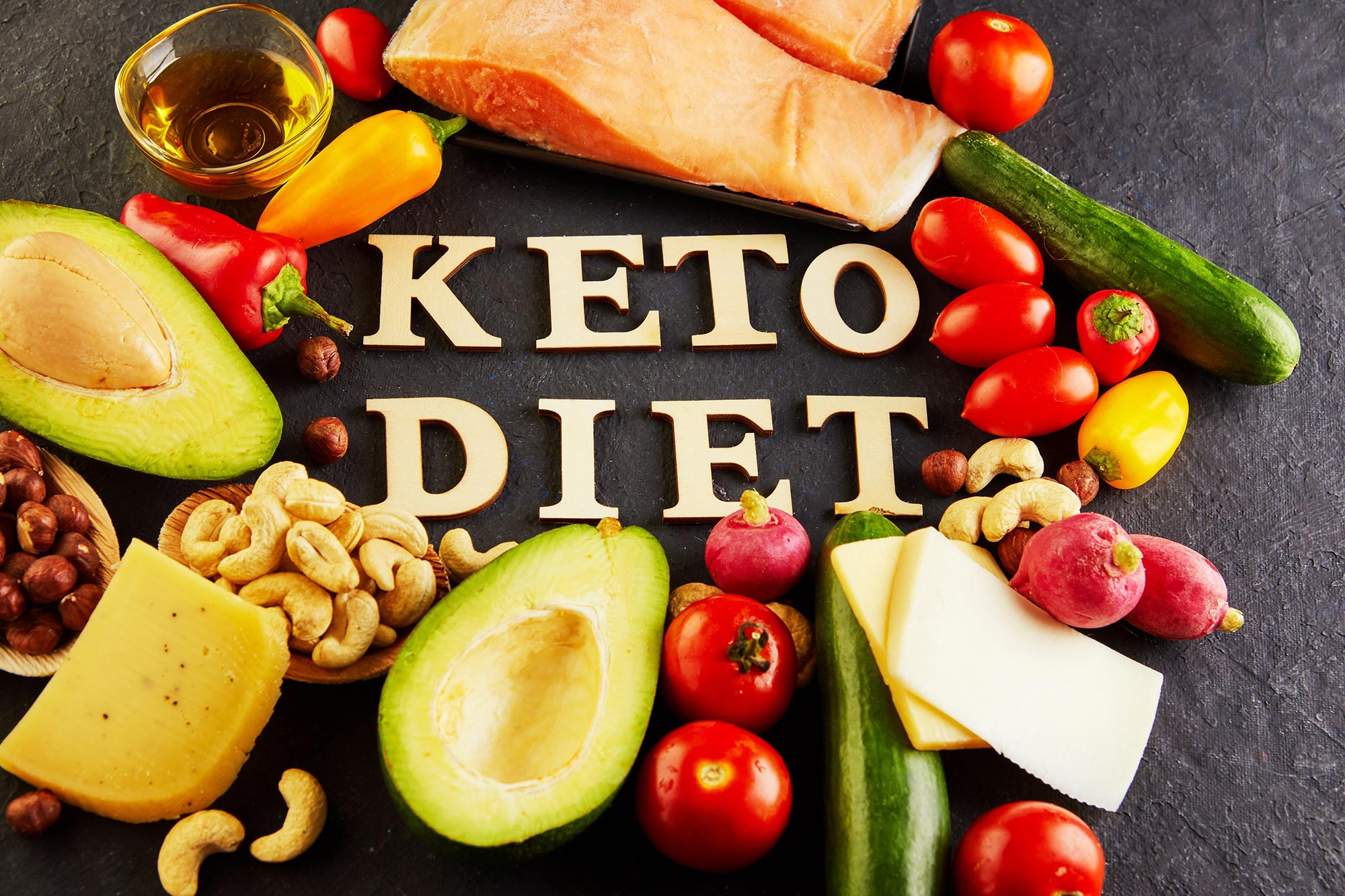
A study finds that long-term keto dieting may come with hidden metabolic costs.
A recent study from the University of Utah Health, published in Science Advances, explores how the ketogenic diet affects the body over long periods and raises new concerns about its overall safety and effectiveness for metabolic health. Once used primarily to treat epilepsy, this high-fat, low-carbohydrate eating plan has become a popular method for weight loss and managing conditions such as obesity and type 2 diabetes. The researchers found that, in mice, long-term adherence to the diet may disrupt normal metabolic function and change how the body processes fats and sugars in ways that could be harmful.
The ketogenic diet works by sharply reducing carbohydrate intake so the body shifts into a state called ketosis. During ketosis, the liver produces molecules known as ketone bodies, which serve as an alternative fuel for the brain and help stabilize nerve activity, reducing the frequency of seizures. This process mirrors what happens during periods of starvation, when limited glucose forces the body to rely on fat for energy. Although keto has gained attention for its potential benefits in weight management and metabolic health, most studies until now have focused mainly on short-term effects rather than the long-term biological consequences.
“We’ve seen short-term studies and those just looking at weight, but not really any studies looking at what happens over the longer term or with other facets of metabolic health,” said Molly Gallop, PhD, now assistant professor of anatomy and physiology at Earlham College, who led the study as a postdoctoral fellow in nutrition and integrative physiology at U of U Health.

The keto diet prevents weight gain
To fill this research gap, Gallop and her team carried out an extended experiment using mice, assigning both males and females to one of four dietary plans: a high-fat Western diet, a low-fat and high-carbohydrate diet, a traditional ketogenic diet in which nearly all calories came from fat, and a protein-matched low-fat diet. The animals were allowed to eat freely for at least nine months.
During this period, the researchers tracked changes in body weight, eating behavior, blood fat composition, liver fat buildup, and levels of blood sugar and insulin. They also analyzed which genes were active in pancreatic cells responsible for insulin production and used high-resolution microscopy to observe the cellular processes linked to these metabolic changes.
The ketogenic diet successfully prevented weight gain in both sexes compared to the high-fat Western diet. Mice on the ketogenic diet maintained significantly lower body weights, with weight gain primarily attributed to increased fat mass rather than lean mass.
Keto is linked to fatty liver disease
Despite this apparent benefit, mice fed the ketogenic diet developed severe metabolic complications, with some changes starting within days.
“One thing that’s very clear is that if you have a really high-fat diet, the lipids have to go somewhere, and they usually end up in the blood and the liver,” said Amandine Chaix, PhD, assistant professor of nutrition and integrative physiology at U of U Health and senior author on the study.
The accumulation of fat in the liver, known as fatty liver disease, is a hallmark of metabolic disease associated with obesity. “The ketogenic diet was definitely not protective in the sense of fatty liver disease,” Chaix added.
The researchers observed notable differences in how male and female mice responded to the ketogenic diet: males developed severe fatty liver and had worse liver function, a key marker of metabolic disease, while females had no significant buildup of fat in the liver. The scientists plan to explore why female mice didn’t get fatty liver disease in future research.
Keto diet may harm blood sugar regulation
The study also revealed a paradox in blood sugar regulation. After two to three months on the ketogenic diet, mice had low levels of blood sugar and insulin.
“The problem is that when you then give these mice a little bit of carbs, their carb response is completely skewed,” Chaix said. “Their blood glucose goes really high for really long, and that’s quite dangerous.”
Mice couldn’t regulate their blood sugar properly because cells in the pancreas weren’t secreting enough insulin, the researchers discovered. Probably due to chronically high levels of fat in their environment, pancreatic cells showed signs of stress, unable to move proteins around like they should. The researchers think that the impaired blood sugar regulation is caused by this cellular stress, but identifying the exact mechanism is a future research direction.
Importantly, problems with blood sugar regulation reversed when mice went off the ketogenic diet, suggesting that at least some metabolic issues may not be permanent if the diet is stopped.
While mice and humans differ, the findings reveal previously unexplored long-term negative metabolic health risks that individuals considering the ketogenic diet should take into account. “I would urge anyone to talk to a health care provider if they’re thinking about going on a ketogenic diet,” Gallop cautioned.
Reference: “A long-term ketogenic diet causes hyperlipidemia, liver dysfunction, and glucose intolerance from impaired insulin secretion in mice” by Molly R. Gallop, Renan F.L. Vieira, Peyton D. Mower, Elijah T. Matsuzaki, Willisa Liou, Faith E. Smart, Seth Roberts, Kimberley J. Evason, William L. Holland and Amandine Chaix, 19 September 2025, Science Advances.
DOI: 10.1126/sciadv.adx2752
This work was supported by the National Institutes of Health, including the National Institute on Aging (grant number R01AG065993), the National Institute of Diabetes and Digestive and Kidney Diseases (grant numbers P30DK020579, F32DK137475, T32DK110966, DK108833, and DK112826), the National Heart, Lung, and Blood Institute (grant number HL170575), and the National Cancer Institute (grant number R01CA222570). Work was also supported by the Damon Runyon-Rachleff Innovation Award (DR 61-20) and the American Cancer Society (RSG-22-014-01-CCB). Content is solely the responsibility of the authors and does not necessarily represent the official views of the National Institutes of Health.
Never miss a breakthrough: Join the SciTechDaily newsletter.
Follow us on Google, Discover, and News.
Source link
Report Calls For ‘Nuance’ When It Comes To Plant-Based Meat And UPFs
Is an All-Meat Diet What Nature Intended?
Food List, Benefits, Risks, and More