
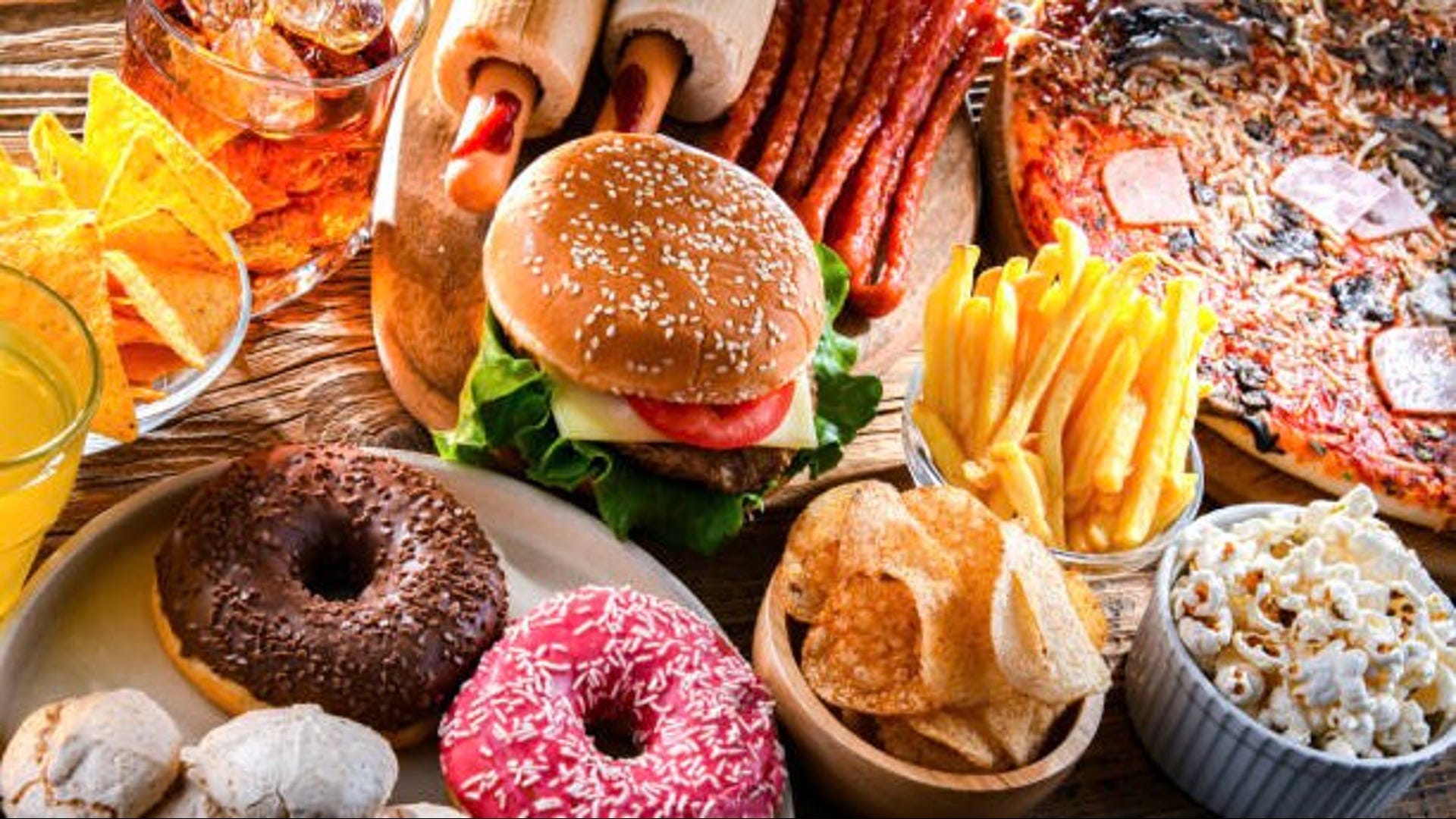

Processed foods may fuel cancer by disrupting omega-3 benefits
Your diet may influence your body’s ability to combat colon cancer, according to a new study.
unbranded – Lifestyle
Few breakfasts feel more welcoming than a stack of warm, golden pancakes dripping with butter and syrup or topped with fresh fruit and whipped cream. After all, for many people, pancakes aren’t just food, they’re nostalgia on a plate – conjuring memories of cozy weekend mornings, diner breakfasts and family brunches shared over coffee and laughter.
They’re also undeniably popular. One survey found that pancakes rank as America’s fourth-favorite breakfast food, trailing only eggs, sausage and toast.
“Pancakes are beloved for their soft, fluffy texture, mildly sweet flavor and the versatility of toppings that make them a comforting and visually appealing breakfast option,” says LeeAnn Weintraub, a registered dietitian and nutrition consultant based in Los Angeles.
But behind all that deliciousness lingers the question of whether pancakes are actually good for you. Here’s when they can be, how they are made and how to enjoy them without overdoing it.
How are pancakes made?
Part of what makes pancakes so enduring and appealing is how easy they are to prepare. “Traditional pancakes are made from a simple batter of flour, eggs, milk, a small amount of butter or oil and a leavening agent like baking powder,” explains Weintraub. Once mixed, the batter is poured onto a hot griddle or pan, where it cooks quickly into light, fluffy rounds that are ready to eat.
“Variations can differ in flour type (white, whole wheat, oat or gluten-free blends), liquids (dairy milk, plant-based milk or yogurt) or added flavors or ingredients like vanilla, cinnamon, chocolate chips or mashed fruits,” she adds.
Once prepared, pancakes are typically served in stacks of two or three and topped with maple syrup, butter, fruit, yogurt, chocolate shavings, nuts or whipped cream.
Are pancakes healthy?
While pancakes aren’t inherently healthy, they can provide genuine nutritional value when made thoughtfully. That’s because several key ingredients offer important nutrients.
Eggs, for example, “are packed with nutrition, including protein, choline, selenium, vitamin B12 and lutein,” says Jill Weisenberger, MS, RDN, a Virginia-based registered dietitian and author of “Prediabetes: A Complete Guide.” Protein supports muscle maintenance, satiety and metabolic health, while choline is essential “for producing acetylcholine, a neurotransmitter involved in memory, mood and other nervous system functions,” explains Weisenberger. Vitamin B12 supports red blood cell formation and neurological health, and lutein “may help boost cognitive performance in older adults.” Still, she notes that it’s important “to keep in mind that you get just a small fraction of an egg in each pancake.”
The milk in pancakes also contributes additional protein, calcium and vitamin D. Both calcium and vitamin D “promote bone and dental health,” says Weintraub.
Whole-grain pancakes can add even more benefits such as dietary fiber. “Fiber aids digestion, helps regulate blood sugar and supports heart health,” Weisenberger explains.
The carbohydrates in pancakes can also provide quick energy to start the day, and toppings can further boost nutritional benefits. For example, adding fruit, nuts or yogurt introduces additional vitamins, antioxidants, healthy fats and extra protein.
What are the downsides of eating pancakes?
Of course, not all pancakes are created equal. Traditional versions – especially those made with refined white flour and cooked in butter or oil – “tend to be high in simple carbohydrates, added sugars and saturated fat,” says Weisenberger. That mix can lead to rapid spikes in blood sugar, increased hunger soon after eating and excessive calorie intake.
“Some commercial mixes or restaurant versions also contain fair amounts of sodium,” adds Weintraub, which can be a concern for those managing high blood pressure. “And sweet toppings like syrup, chocolate chips or whipped cream can further contribute excess calories and sugar, which may affect blood sugar and weight management if consumed frequently,” she says.
But small adjustments can make pancakes far more nourishing. “Choosing whole-grain flours, moderating portion sizes and topping pancakes with fresh fruit, nut butter or yogurt can help mitigate these downsides,” Weintraub advises. “And pairing pancakes with protein foods like eggs, turkey sausage or Canadian bacon can further help balance out an otherwise high-carb meal.”
Source link
Students learn healthy eating habits through cooking demonstration Students learn healthy eating habits through cooking demonstration
Psychologist shares signs and risks of untreated eating disorders – InForum
Food show boosts healthy eating and learning by letting students taste and rate items