
As you age it becomes even more important to eat a consistently healthy and nutritious diet.
Optimal health comes from a healthy lifestyle and eating well when you’re over 60 and beyond will help you maintain your health and independence for longer.
I’m a clinical nutritionist with Dr Michael Mosley’s The Fast 800 programme and I’ve got the most important nutritional choices to help you stay strong and healthy for as long as possible.
Secrets of the Superagers
Founder of the Fast 800, the late Dr Michael Mosley filmed a new TV series before his death, travelling the world to meet people who seemed to defy ageing.
Secrets of the Superagers premiered on Monday 14 July and is available to watch on Channel 4.
3 questions that reveal how good your diet is
It goes without saying that a healthy diet benefits you physically and mentally.
Your food and drink choices affect your risk of developing chronic diseases; such as cardiovascular disease, type 2 diabetes and even mental health issues such as anxiety and depression.
Think about what you are eating and ask yourself these three questions to find out how good your diet is and find out how to make easy changes.
1. Are you eating enough protein?
Are you eating enough protein? It’s common for people to lose their appetite as they age, so it’s even more important to ensure you’re getting enough protein to keep your muscles and bones strong.
Aim for at least 60g of protein a day.
2. Do you eat for enjoyment or fuel?
Are you eating for more for enjoyment or more for fuel? It’s important to think about both! Food provides us all the nutrients we need for a healthy life, but also can be a source of enjoyment.
Try to stick to 80% of your food for nourishment – being nutrient dense and well balanced, and 20% for enjoyment – an occasional square or two of dark chocolate is absolutely fine.
If this balance tips the other way, you’re likely to start experiencing some negative health outcomes.
3. Is your diet made up of empty calories?
Are you consuming lots of empty calories? Avoid foods with no nutritional value like soft drinks, junk food and sweets.
Lots of these foods can leave you more hungry and may lead to weight gain.

Image credit: GettyImages/Nungning20
What to eat as you age – and what to avoid
A Mediterranean-style diet
Stick to a Mediterranean-style diet which means including a wide variety of wholefoods.
Include plenty of colourful vegetables, legumes/beans, high-quality protein such as meats and poultry, fish, eggs, tofu, cheese, plus healthy fats such as olive oil, nuts and seeds.
Fermented foods
Include fermented foods such as kimchi, sauerkraut and Greek yoghurt.
These can help improve digestion, boost the immune system, and offer some protection against certain diseases
Trans fats
The World Health Organisation says that more than 278,000 deaths globally every year can be attributed to trans fats. They clogs arteries, increasing the risk of heart attacks and death.
Try to avoid foods high in trans fats, including biscuits, cakes, pastries, pies, processed meats, burgers, pizza, fried foods, potato chips, and other ‘snack’ foods.
Sugar
A study published last year found that a high sugar intake may precipitate ageing in women and high sugar intake has been linked with causing inflammation within the body.
Avoid foods and drinks containing added sugars, such as confectionery, sugar-sweetened soft drinks and cordials, fruit drinks, vitamin waters, energy and sports drinks.
Hydration is vital
As we get older it becomes more difficult for our bodies to hold onto water, making it easy to become dehydrated. A 2019 study found that 40% of people over 65 were chronically dehydrated.
It’s really important to drink plenty of water – at least eight cups per day.
Also try to limit alcohol as this contains high levels of sugar, dehydrates the body and studies have suggested it could accelerate the ageing process.
If you are drinking, opt for a glass of red wine but try to only have one every now and then.
Can healthy eating actually improve your health?
Studies have shown time and time again that an unhealthy gut microbiome, and the ‘Western diet’ in general, have strong associations with a wide range of diseases, including obesity, metabolic syndrome, type 2 diabetes and cardiovascular disease.
However the Mediterranean diet, which supports a healthy gut, is considered the healthiest option, associated with the prevention of many of these diseases.
Having a healthy gut microbiome has a range of benefits to the entire body.
- Benefits heart health.
- Controls brain health and the central nervous system.
- Can help regulate anxiety, mood and pain.
- Improves your immune system.
- Helps control blood sugars, which can help lower the risk of type 2 diabetes.
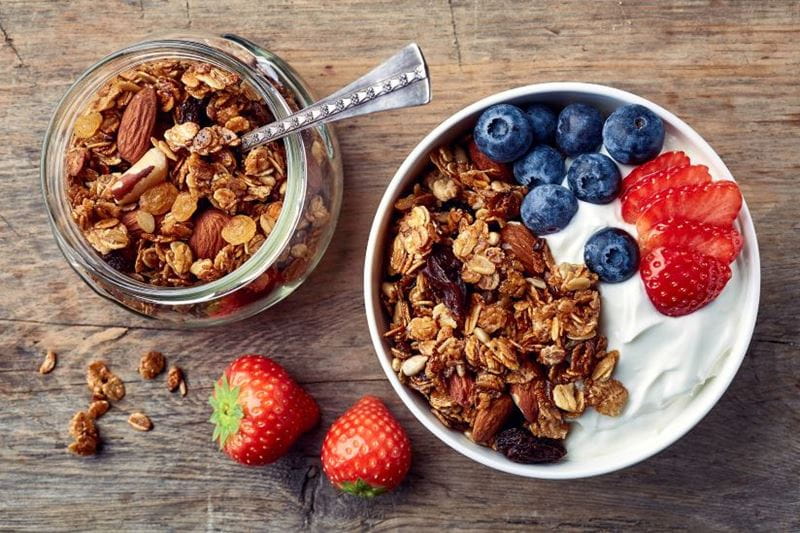
Image credit: GettyImages/baibaz
5 easy ways to improve your gut health
1. Broaden your diet
A diverse microbiome is a happy microbiome, and broadening your diet is a great way to diversify the good bacteria in your gut.
Specifically, a Mediterranean diet has been shown to modulate gut microbiota, and increase its diversity, leading to the prevention of chronic illness such as cardiovascular diseases and some types of cancer.
Introduce new non-starchy vegetables, healthy fats, legumes and meats to your diet, while steering clear of harmful processed foods.
The Fast 800 Online Programme provides plenty of ideas for delicious, healthy ingredients and new recipes that are ideal for diversifying your microbiome and reaping all the benefits that a Mediterranean diet can give your gut health.
2. Add more fibre to your day
Fibre is digested by certain bacteria, which may help to prevent weight gain and chronic illnesses like type 2 diabetes, some cancers, and heart disease.
Try adding foods which are high in fibre to your diet, such as broccoli, chickpeas, asparagus, and small amounts of fruits like berries and apples.
The ideal Mediterranean diet is high in beneficial fibres and low in starchy vegetables – it’s important to find the right foods for the job.
3. Increase your intake of probiotics and prebiotics
Prebiotics are foods that promote the growth of beneficial bacteria in your gut, like fibre and carbohydrates which the human body cannot digest without certain species of gut bacteria.
Certain prebiotics have been shown to reduce insulin, triglyceride and cholesterol levels in people with obesity, and can also help prevent conditions like heart disease and type 2 diabetes.
Prebiotic foods include onion, garlic, Jerusalem artichokes, leeks and asparagus.
Probiotics are living microorganisms, usually bacteria, that can be consumed to provide health benefits such as supporting your metabolism, preventing bowel diseases, improving the immune system and more.
4. Eat more fermented foods
Fermented foods, such as yoghurt, kimchi, kombucha, kefir and sauerkraut all contain healthy bacteria, such as various strains of ‘Lactobacilli’.
This can reduce the amount of disease-causing bacteria in the gut.
Studies show that people who eat plenty of yogurt, such as Greek yogurt (which we’re a big fan of!), appear to have less of the harmful bacteria that are associated with inflammation and a number of chronic conditions.
5. Get more sleep
Improving your sleep hygiene and getting more rest has been shown to result in a healthier gut microbiome, while sleep deprivation has been linked to negative gut health composition.
Source link
March is National Nutrition Month, Sleep Month and Daylight Savings Time begins, plus EPI-Lifestyle 2026 and more…
Healthy eating after 45 may add years to your life, study finds
Do You Have a Healthy Relationship With Food?